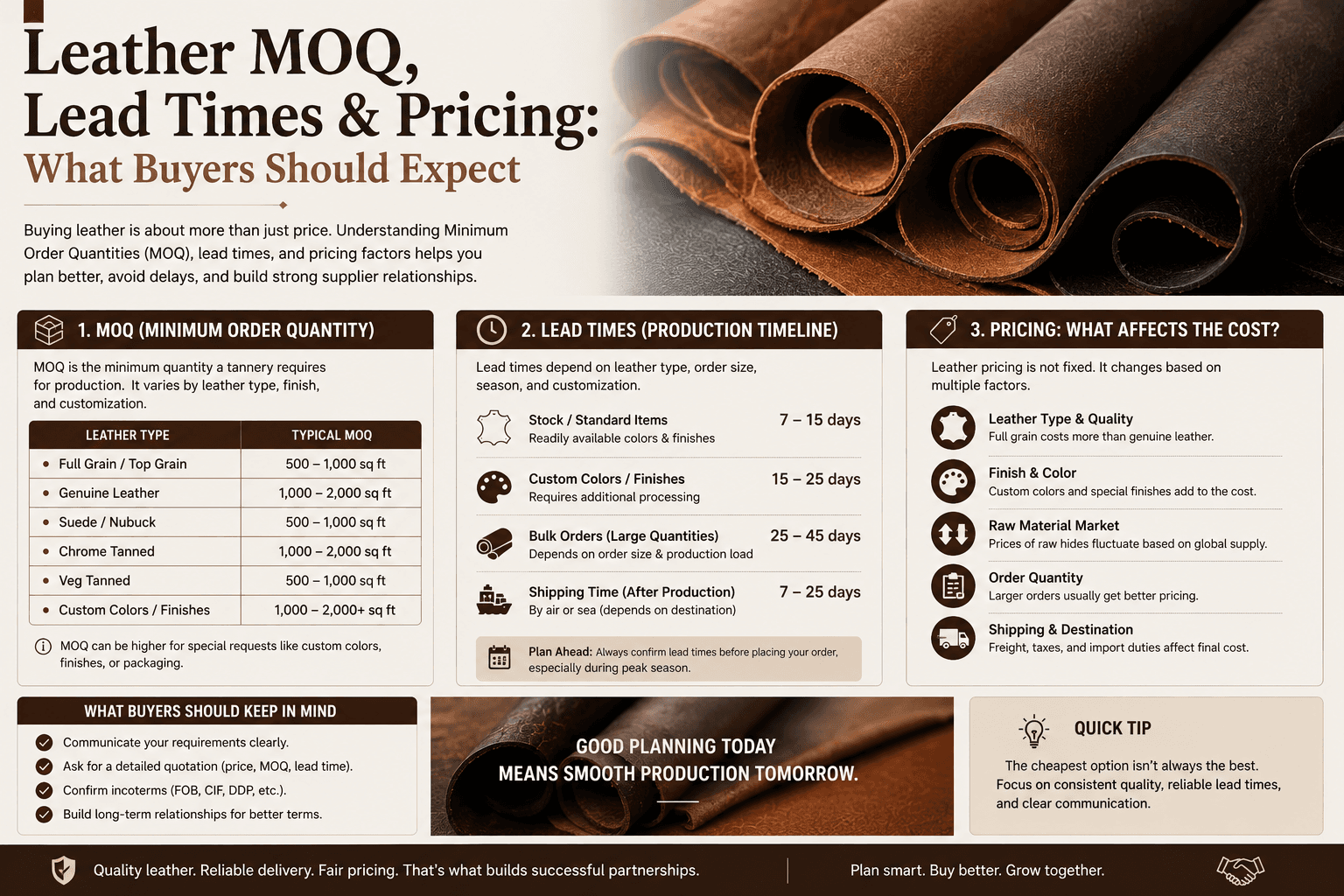
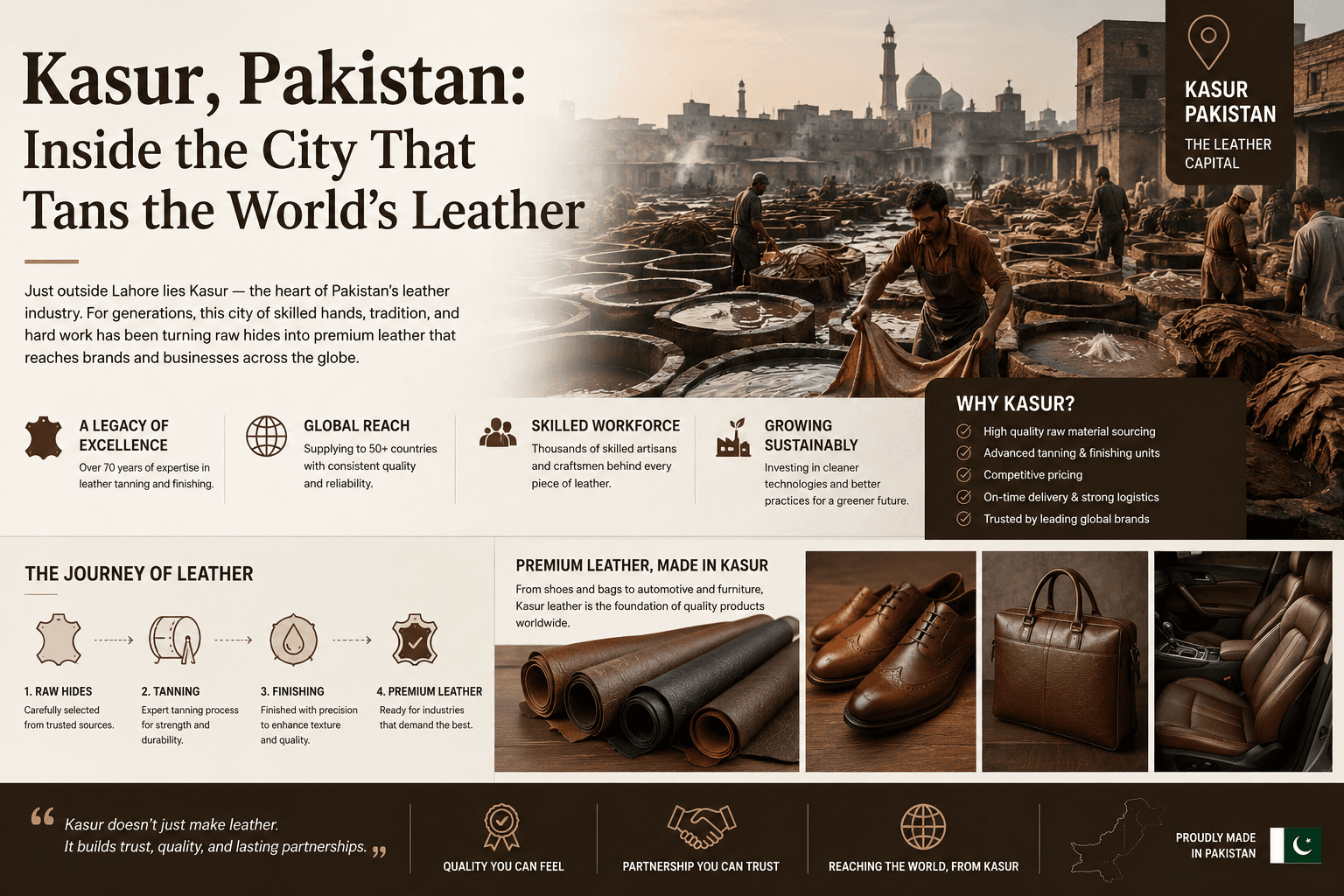
Most buyers who source leather from Pakistan have heard of Kasur, but few know why this specific city — rather than Karachi, Lahore, or Sialkot — became the country's tanning center. The answer is a mix of geography, generational craft, and industrial clustering that's hard to replicate elsewhere.
A Concentration of Over 200 Tanneries
Kasur, located in Punjab near the Indian border, is home to more than 200 tanneries within a roughly 15-kilometer radius. This density is not an accident — it's the result of decades of industry clustering, where raw material suppliers, tanning chemical vendors, skilled labor, and finishing specialists all located near each other, each reinforcing the others' presence.
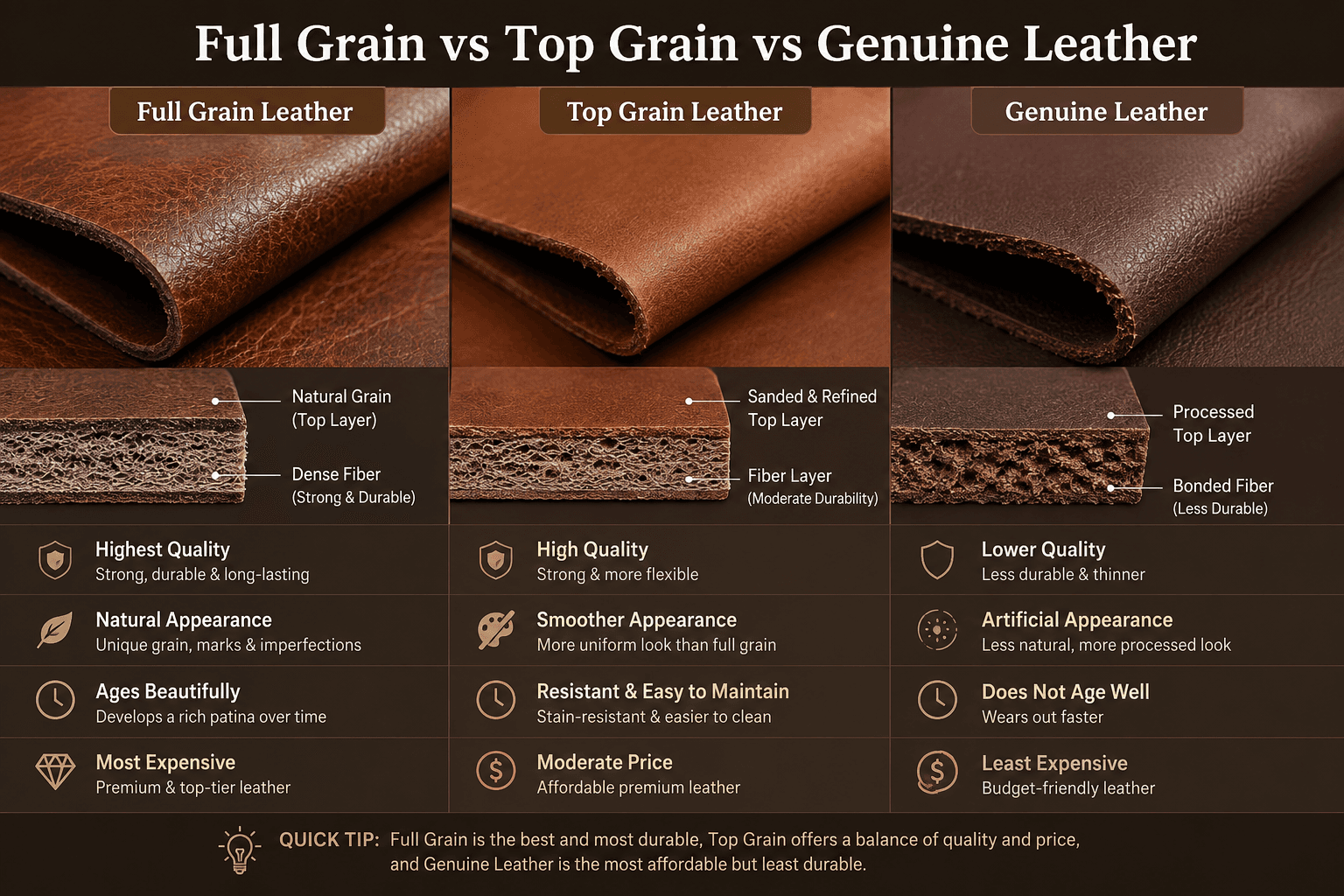
For buyers, this concentration matters practically: it means competitive pricing (suppliers compete locally), fast turnaround on samples, and access to a wide range of specializations — chrome tanning, vegetable tanning, and finishes ranging from semi-aniline upholstery leather to nubuck for footwear — often within a short drive of each other.
Why Kasur, Specifically
Several factors converged to make Kasur Pakistan's leather capital rather than a larger city:
- Proximity to livestock markets: Punjab has one of the highest livestock densities in Pakistan, providing a steady raw hide supply - Water access: tanning is water-intensive, and Kasur's location provided the infrastructure needed for wet processing - Generational skill transfer: many of Kasur's tanneries are family-run, with tanning knowledge passed down over two or three generations — the kind of hands-on grading and finishing expertise that isn't quickly replicated with equipment alone - Established export infrastructure: proximity to Lahore and established trade routes to Karachi port made export logistics practical ## What Buyers Should Know Before Sourcing from Kasur
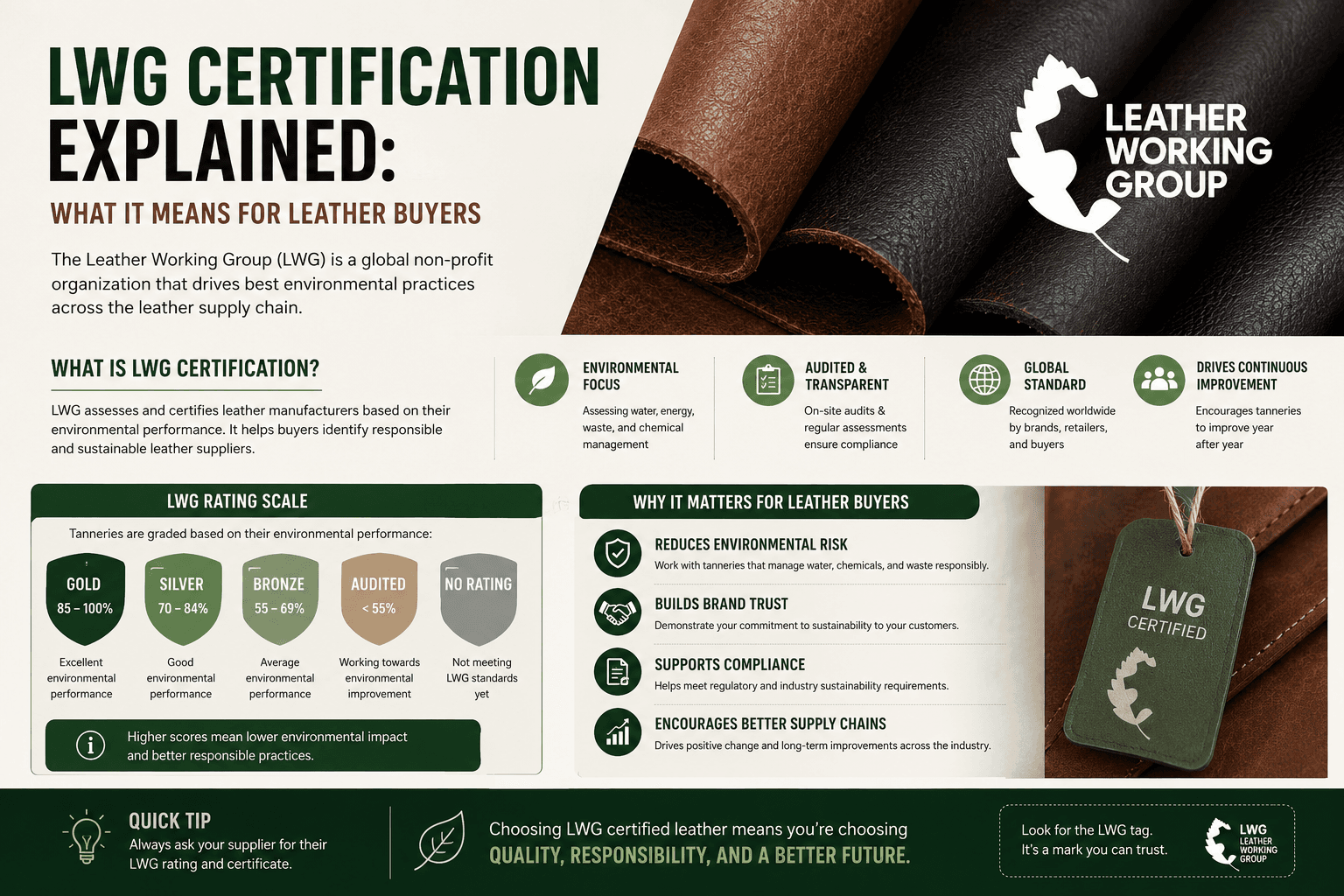
Not all 200+ tanneries operate at the same standard. The range spans large, LWG-certified, export-focused facilities down to smaller operations serving local markets only. For international buyers, this means vetting matters more than geography alone:
- Certifications: ask specifically which tanneries hold LWG or REACH compliance — don't assume city-wide certification - Export experience: a tannery experienced in export documentation, Incoterms, and international QC expectations will be a smoother partner than one primarily serving domestic buyers - Specialization: some tanneries focus on cow hides for upholstery, others on goat nappa for garments, others on buffalo for footwear — matching the right tannery to your spec matters more than picking "a Kasur tannery" ## The Environmental Conversation
Kasur's tanning industry has also faced real scrutiny over wastewater treatment and environmental impact, issues the industry and local government have worked to address through treatment infrastructure and stricter compliance requirements in recent years. Buyers focused on sustainable sourcing should specifically ask about a supplier's effluent treatment process and LWG status rather than assuming regional practices are uniform — standards vary significantly between facilities.
Final Thoughts
Kasur's position as a global leather hub comes from a genuine combination of raw material access, industrial clustering, and generational craftsmanship — not just low cost. For buyers, the opportunity is real, but so is the need to vet carefully: the same density that creates competitive pricing also means quality and compliance vary widely between tanneries. Working with a supplier who can name their specific tannery partners, certifications, and QC process is a much stronger signal than "sourced from Kasur" alone.